
Implementation Effort
- Requires minimal effort
- Timeline between 2-3 weeks*
* Assuming an agency has an existing, configured AASHTOWare Safety instance and all required data

Our Customer Success team helps agencies turn crash data into actionable insights. The processes below show how they’re making their communities safer.
Various agencies use AASHTOWare Safety to help identify potential behavioral improvements to increase roadway safety in their communities.
* Assuming an agency has an existing, configured AASHTOWare Safety instance and all required data


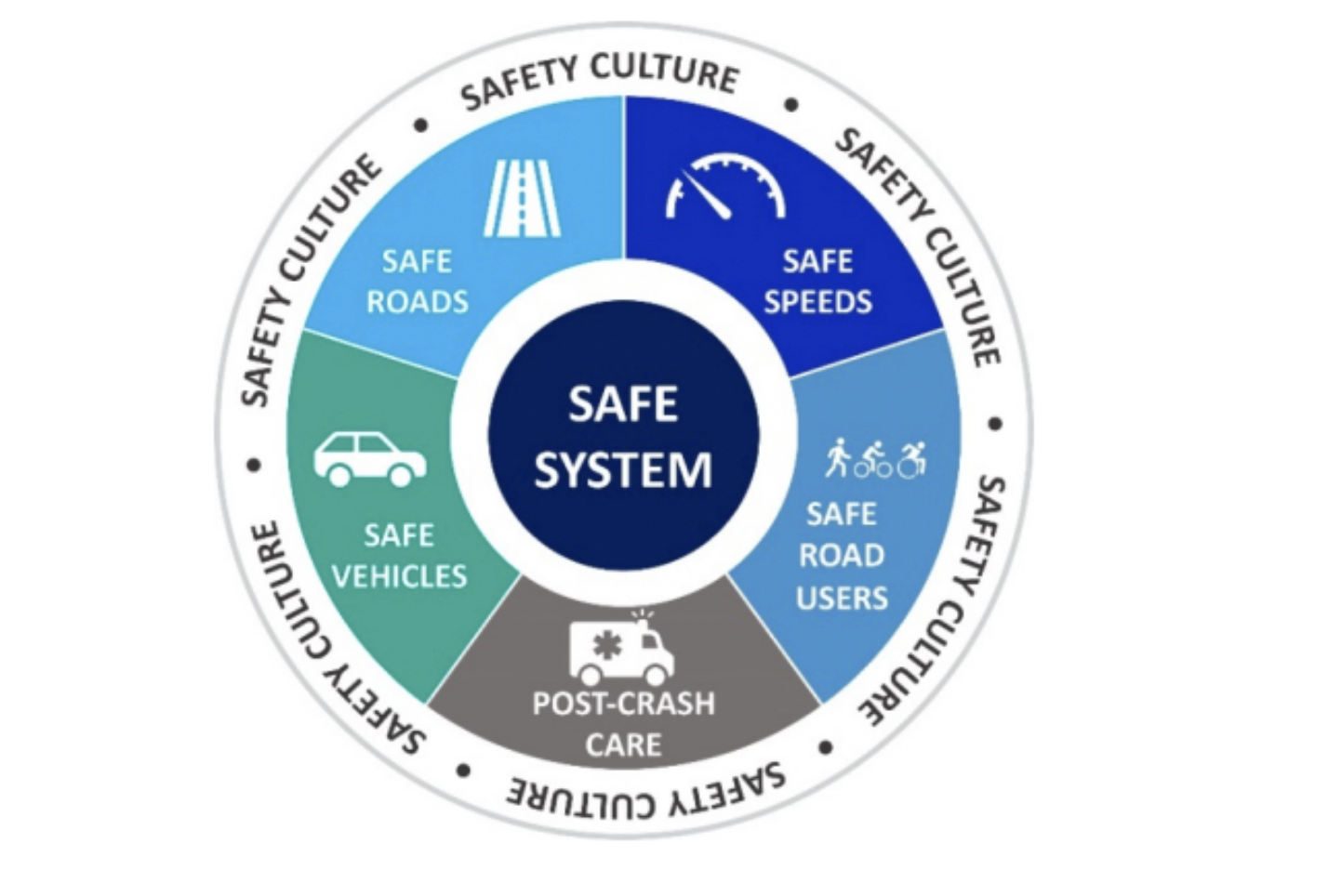
(The Safe Systems Approach)
The Safe Systems Approach emphasizes the importance of involving all stakeholders in the safety process. An essential component of this process focuses on the behavior of the individual drivers, and roadway users. In an effort to help with this increased focus, AASHTOWare Safety provides custom, behavioral-focused filters to help our law enforcement users better focus their enforcement and outreach efforts in their jurisdictions.
With AASHTOWare Safety, law enforcement users can easily identify which types of behavioral crashes are occurring, and which enforcement actions will have the greatest impact on the safety of their community.
“It works by building and reinforcing multiple layers of protection to both prevent crashes from happening in the first place and minimize the harm caused to those involved when crashes do occur. It is a holistic and comprehensive approach that provides a guiding framework to make places safer for people.”
–USDOT – What is a Safe Systems Approach
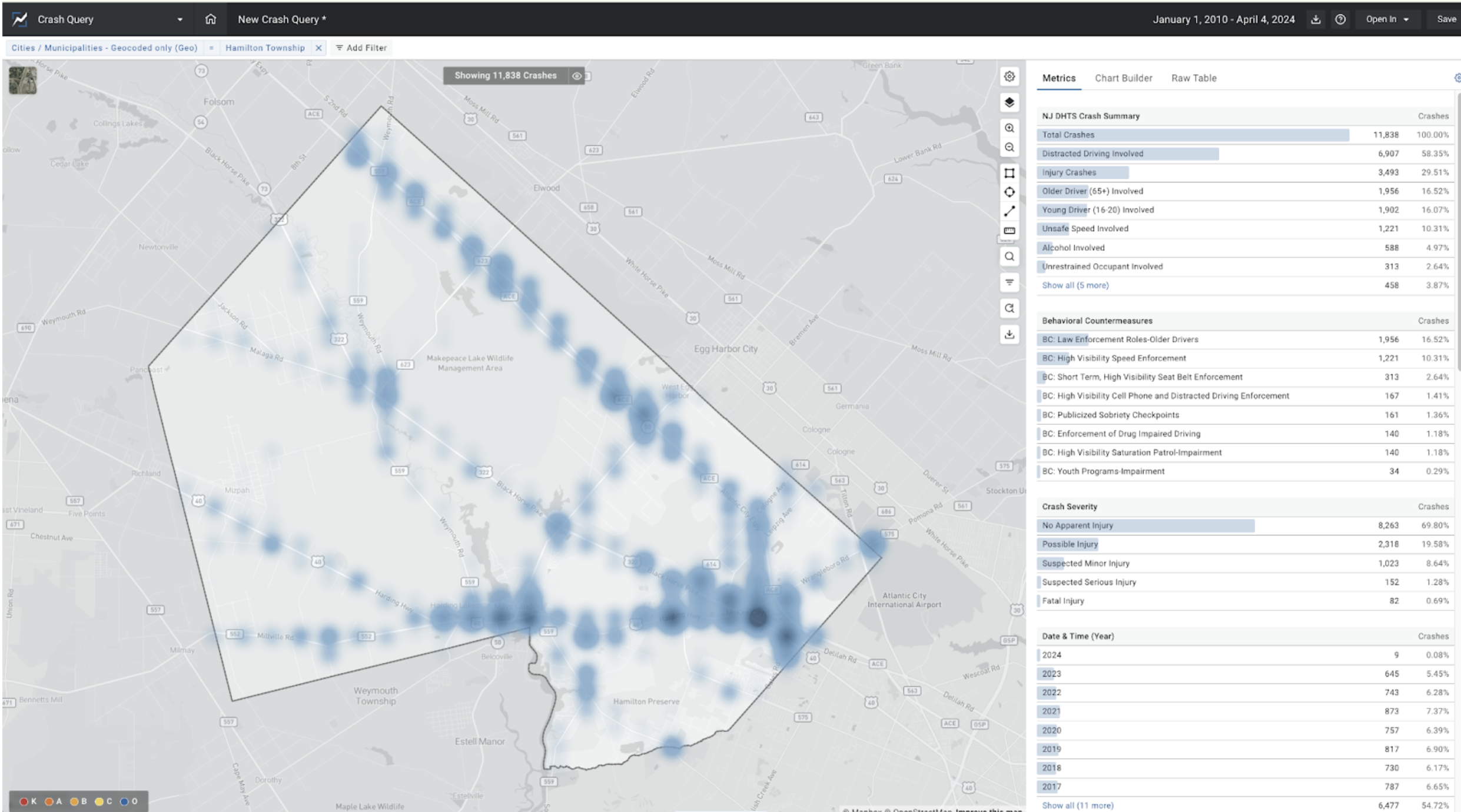
(Crash Query with a municipal filter applied, and the list of Behavioral Countermeasures displayed as a metric on the sidebar)
The New Jersey Division of Highway and Traffic Safety (NJDHTS) began using the National Highway Transportation Safety Administration’s (NHTSA) Countermeasures that Work to guide their enforcement efforts toward behavioral countermeasures that have a proven track record of increasing safety.
Using these countermeasures as a starting point, NJDHTS worked with Numetric to map key crash characteristics to identify which countermeasures might help prevent those crashes in the future. This filter has allowed law enforcement agencies to identify crash trends in their communities and better direct their enforcement efforts toward the unique needs of their jurisdictions.
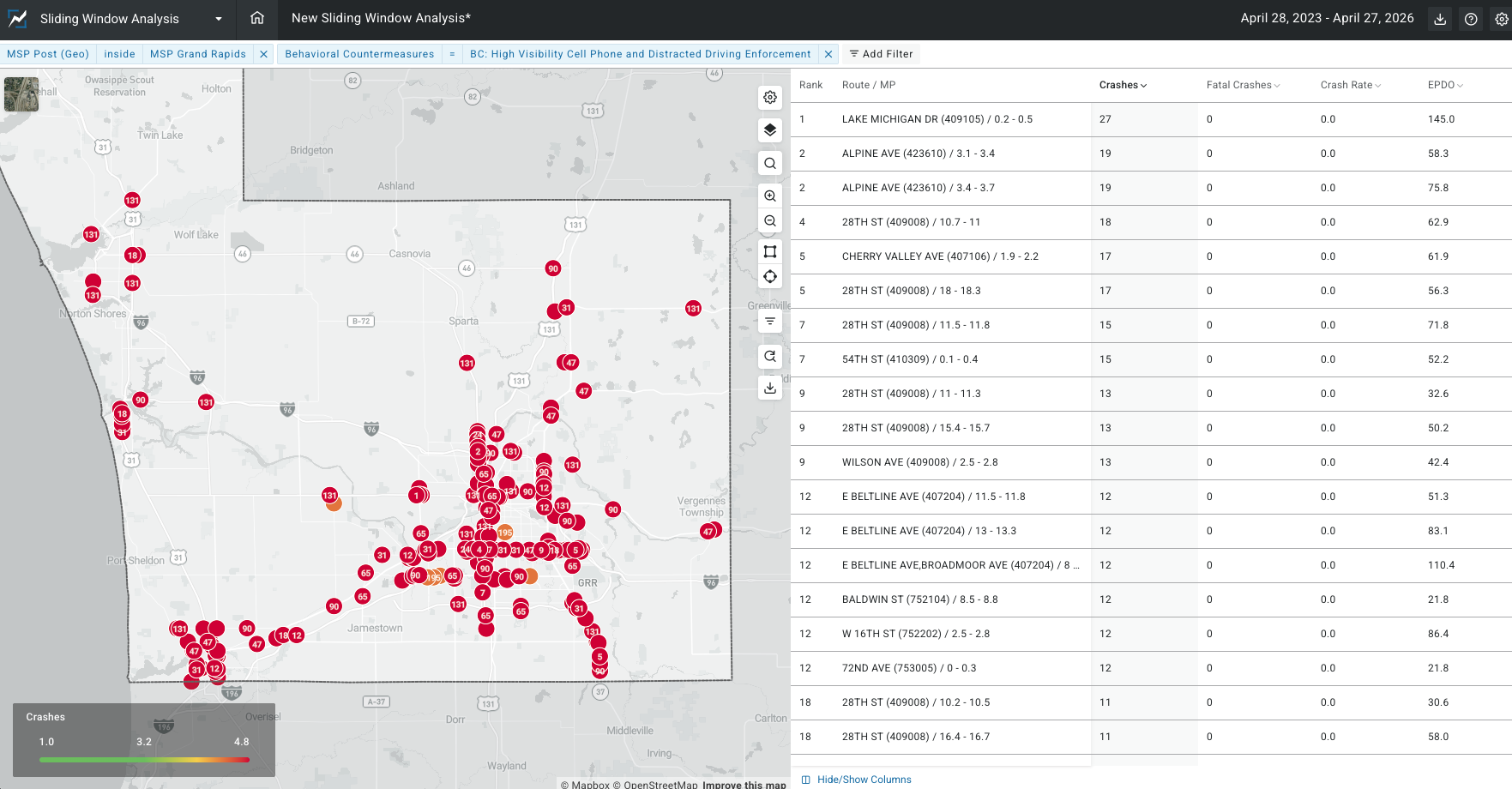
Michigan State Police has also used similar behavioral countermeasure logic to help law enforcement users across Michigan use historical crash trends to identify and prioritize areas for future enforcement efforts, resulting in data-driven behavioral safety interventions across the state.
More information on this topic can be found below: